




Recruitment trends are useful when they change a hiring decision, such as how you define skills, assess candidates, communicate, or plan workforce needs. This guide covers eight practical trends and then shows how to test one in a 90-day plan with clear ownership and measures.

Key takeaways
- Remote work: define eligibility, collaboration norms, equipment, and manager support.
- AI in recruitment: automate carefully, explain outputs, and keep human review and risk controls.
- DEI: widen access, check selection criteria, and measure fairness across the funnel.
- Employer branding: align the public hiring message with the real employee experience.
- Social recruiting: use relevant networks and employee advocacy without relying on one channel.
- Data-driven recruiting: track source quality, stage time, conversion, and hiring outcomes.
- Candidate experience: make applications, updates, interviews, and rejection communication clear.
- Gig and flexible work: match work arrangements to role needs, worker expectations, and policy requirements.
Top Recruitment Trends in 2026
1. Remote Work

Remote Work
The COVID-19 pandemic forced the global workforce to switch to remote work. Now, even after the pandemic has settled, this trend will continue to shape the recruitment landscape in 2026. According to a survey by Gartner, 82% of company leaders plan to allow remote working at least part of the time.
Offering remote work and flexible schedule options can effectively help in attracting top talent and improve retention of your current workforce. Organizations will assess candidates’ ability to work independently, collaborate virtually, and adapt to remote work environments. So, remote work and a flexible schedule will continue to be one of the Top recruitment trends in 2026.
2. Role of Artificial Intelligence In Recruitment
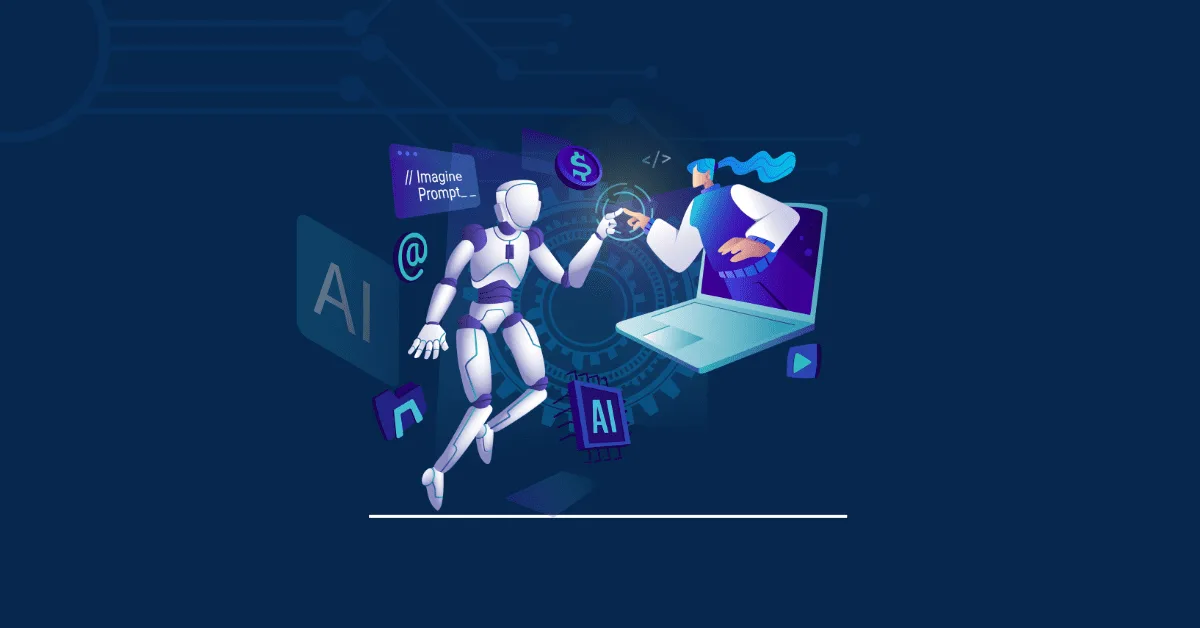
Role of Artificial Intelligence In Recruitment
Artificial Intelligence is the hottest recruitment trend in 2026 and is all set to revolutionize the world of recruiting. According to a Gartner 2026 survey, 17% of companies used AI-powered tools in 2026, and 30% of them used them in 2026. Even though AI has been around for a while now, we can expect the growth of the role of AI consistently in recruitment trends in 2026 as well.
One of the most crucial tools which will have a massive influence on AI in it is Applicant Tracking Systems, aka, ATS. 2026 is and will continue to be the year of automation for the world of recruiting and staffing. With recruitment automation powered by AI, recruiters would be able to pars
3. Emphasis on Diversity, Equity, and Inclusion

Emphasis on Diversity, Equity, and Inclusion
Diversity, equity, and inclusion practices are no more just a trend, but a necessity for organizations across the globe. This affected the talent acquisition and recruitment strategies directly as today’s candidates are more aware of the kind of work environment they want to be a part of.
Undoubtedly, a culturally diverse staff has increased productivity, and more innovative and creative solutions, and hence is more profitable. More and more clients today are focusing on companies’ efforts to implement the best DEI practices. So, among the top recruitment trends 2026, DEI is definitely a crucial one.
4. Amplify your Employer Brand

Amplify your Employer Brand
It’s not unknown that employer branding is paramount when it comes to attracting top talent, and in 2026, it will become more so. The stronger brand you have as an employer, the more attracted the top talent will be and your employee retention will be boosted to the next level. Candidates today are extremely particular about who they want to work for. They have access to a wealth of information about companies through online platforms and employer review websites.
According to a survey by Glassdoor, 84% of candidates would consider leaving their current company for one with a great reputation. Organizations will invest in building a strong employer brand by showcasing company culture, values, and employee testimonials on their career websites and social media platforms.
5. Social Media Recruiting

Social Media Recruiting
In the last decade, social media has been a crucial part of the recruitment world. This will continue to be a crucial part of top recruitment trends in 2026 too. Social media channels like LinkedIn, Twitter, and Instagram remain useful sources for attracting candidates. Social media can help target specific demographics, industries, and skill sets.
A reported 94% of recruiters use social media to network and post jobs, including some of the top thought leaders in HR. Another 79% plan to increase their use of social media for recruitment purposes in 2026. Review the source and year of these figures before publishing them as current benchmarks.
6. Data-Driven Recruiting

Data-Driven Recruiting
The use of data in recruiting is not a new concept, it has been around for a while now. Recruiters have been using data to make their hiring decisions for a long time. However, what’s new now is that these decisions are now powered by AI-driven recruitment tools and advanced technologies which make them more precise. By analyzing recruitment data using these automation tools, companies gain insights into their sourcing strategies, candidate selection processes, and overall recruitment effectiveness.
Data-driven recruiting is a rapidly growing recruitment trend in 2026, as recruiters continue to recognize the power of leveraging data to make informed hiring decisions. Traditional tactical metrics like time to hire, candidates per hire, etc will still be important, however now the focus would be more on strategic metrics than tactical metrics. By embracing data-driven recruiting along with other recruitment trends, companies can enhance their recruitment outcomes and hire top talent.
7. Focus on Candidate Experience

Focus on Candidate Experience
The pandemic accelerated the need to improve candidate experience, and this will continue to be a recruitment priority in 2026. The candidate experience includes the clarity, timing, and ease of each interaction.
The process begins when a candidate applies. Recruiters are giving more attention to an efficient career site, clear instructions, and timely updates. Make the application easy to complete and explain what happens next.
8. Gig Economy and Flexible Work Arrangements

Gig Economy and Flexible Work Arrangements
The gig economy is undoubtedly among the newest recruitment trends in 2026, particularly among younger professionals. The gig economy is characterized by the rise of short-term contracts, freelance work, and project-based engagements. More professionals are opting for flexible work arrangements that allow them to work independently. This enables them to choose their projects and have control over their schedules. This trend offers benefits for both companies and workers.
Joining relevant freelance groups and cultivating relationships is a realistic option if you need part-time professionals for your company. This can help you stay up-to-date with developments in the freelance scenario as well as increase brand recognition for your business.
Recruitment trends in 2026: skills, AI, and human oversight
Current workforce evidence points to a recruitment function that must do more than add automation. It must identify changing skills, build internal capability, and keep humans accountable for high-impact decisions.
| Current signal | What the source reports | Recruitment implication |
|---|---|---|
| Skills are changing | The World Economic Forum Future of Jobs Report 2026 says nearly 40% of job skills are expected to change by 2030 and 63% of employers identify skills gaps as a major barrier | Define skills for each role and review them regularly |
| Upskilling is a workforce response | The same WEF report says 77% of employers plan to upskill workers and 41% expect workforce reductions where AI automates tasks | Compare external hiring with training and internal mobility before opening every role |
| AI adoption remains uneven | The HRCI State of HR Report 2026 reports that 84% of respondents are not yet using AI to conduct job interviews and only about one in five report broader AI use for hiring and screening | Build a controlled pilot and document what the tool does before scaling it |
| Skills-based hiring is gaining attention | The SHRM 2026 Talent Trends report highlights training existing workers, apprenticeships, internships, and mentoring among workforce strategies | Expand the talent pipeline beyond conventional experience filters |
| Human oversight remains necessary | The NIST AI Risk Management Framework provides a structure for managing trustworthiness across AI design, use, and evaluation, while EEOC guidance on AI and the ADA addresses risks when software evaluates applicants or employees | Assign a reviewer, correction route, and audit record for AI-assisted decisions |
The practical insight is the operating model. A trend becomes useful when it changes a defined recruiting decision. For example, skills-based hiring should change job requirements and assessment rubrics; AI adoption should change the workflow, controls, and measurement plan; and candidate experience should change communication timing and application friction.
A 90-day recruitment trend implementation plan
- Choose one role family and document the current funnel, skills, source mix, and candidate complaints.
- Select one trend to test, such as a skills-based job description, structured interview, AI-assisted administrative task, or internal mobility path.
- Define the human owner, baseline metric, risk check, and candidate-facing change before launch.
- Run the pilot with a limited group and record exceptions, corrections, and stakeholder feedback.
- Keep, adjust, or stop the change after reviewing quality, fairness, candidate experience, and operating effort.
Conclusion
Choose one recruitment trend that addresses a current constraint, give it an owner, and review the results after 90 days. A measured test will tell you more than adopting several practices without a baseline or a clear decision to improve.
What is the most important recruitment trend in 2026?
There is no single trend for every employer. Start with the constraint affecting your hiring outcome, then choose the smallest useful change in skills definition, AI assistance, sourcing, internal mobility, or candidate experience.
How should recruiters use AI in 2026?
Use AI for a defined, reviewable task and document the input, output, human reviewer, correction route, and candidate impact. Do not let a generated score or summary replace job-related evidence or human judgment.
Why is skills-based hiring important now?
Skills-based hiring can widen the pool when job requirements focus on capabilities and outcomes rather than unnecessary credentials. Test the approach with a clear rubric so the team can compare candidates consistently.
How do I measure whether a recruitment trend is working?
Track quality of hire, qualified-application rate, time in stage, candidate completion rate, source-to-interview conversion, human correction rate, and the effort required from recruiters and hiring managers.
More Related Topics
Frequently Asked Questions
There is no single trend for every employer. Start with the constraint affecting your hiring outcome, then choose the smallest useful change in skills definition, AI assistance, sourcing, internal mobility, or candidate experience.
Use AI for a defined, reviewable task and document the input, output, human reviewer, correction route, and candidate impact. Do not let a generated score or summary replace job-related evidence or human judgment.
Skills-based hiring can widen the pool when job requirements focus on capabilities and outcomes rather than unnecessary credentials. Test the approach with a clear rubric so the team can compare candidates consistently.
Make applications easy to complete, explain the stages and timing, send updates when promised, and give candidates a clear route for questions or feedback.
Track quality of hire, qualified-application rate, time in stage, candidate completion rate, source-to-interview conversion, human correction rate, and the effort required from recruiters and hiring managers.
Jump To Section
Author's Profile

Hardik Vishwakarma


Hardik Vishwakarma – AI Recruitment Strategist | HR Automation Expert | Applicant Tracking Software Specialist Hardik Vishwakarma is a recognized leader in HR automation and...
View Full Profile →