.webp)
.avif)
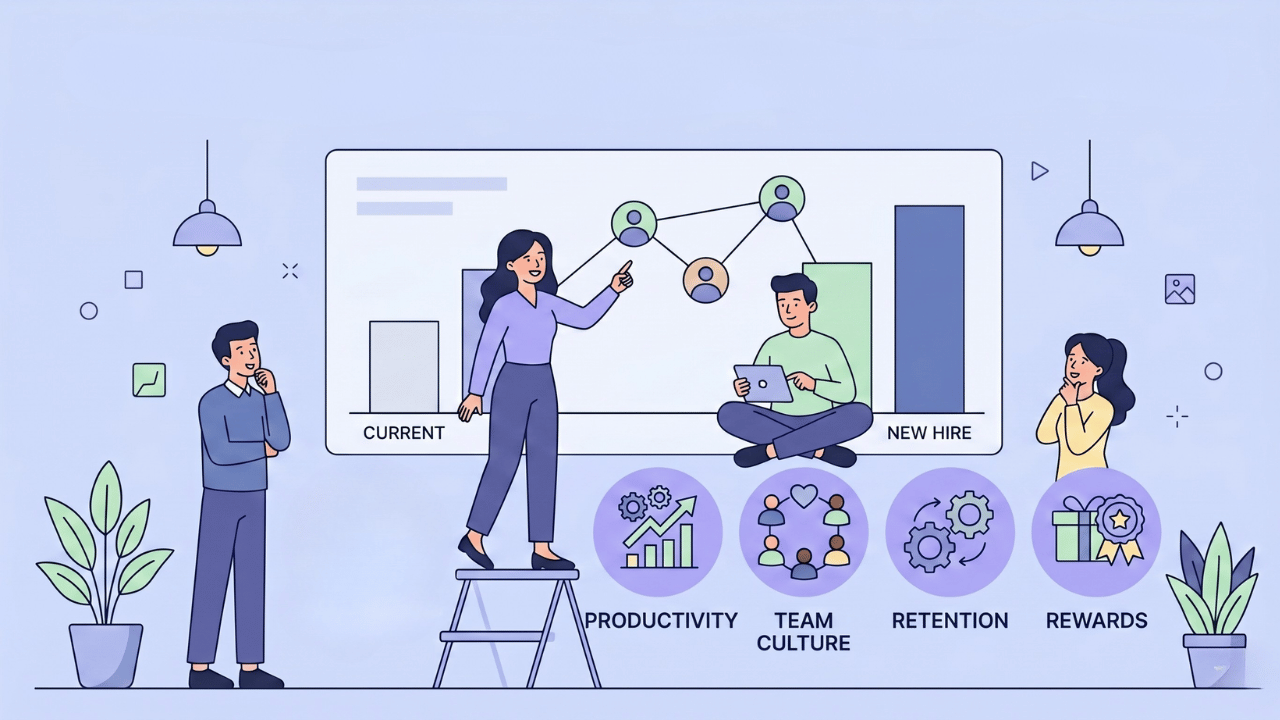
An employee referral program is a structured system that encourages your current employees to recommend people from their networks for open roles, usually in exchange for a reward. Instead of paying job boards to reach strangers, you ask the people who already know your company to bring in candidates they trust.
I've seen referral programs treated as an afterthought, a poster in the break room and a vague promise of a bonus. Done that way, they fizzle. Done properly, referrals are often the best hiring channel a company has, by a wide margin.
This guide covers what an employee referral program is, why the numbers are so good, and an 8-step plan to build one that people actually use.
What Is an Employee Referral Program, Exactly?
It's a formal recruitment method where employees refer candidates for jobs, and the company rewards successful referrals. The key word is formal. A manager forwarding a friend's resume is a favor. A program is a documented process with rules, rewards, and tracking.
A real program has four parts:
- A policy that says who can refer, which roles qualify, and how it works
- An incentive that makes participating worth an employee's time
- A tracking system so referrals don't get lost and credit is fair
- Communication so people actually know the program exists
Miss any one of those and the program underperforms. Most failed programs I've seen had a generous bonus and no working tracking, so referrals vanished into an inbox and employees stopped bothering.
It belongs to a family of recommendation-based hiring. You'll see it called referral recruitment, an employee recommendation program, an internal referral system, or a staff referral scheme. Same idea: hiring through trusted networks.
Why Do Employee Referral Programs Work So Well?
Because referrals fix the two hardest problems in hiring at once: candidate quality and cost. A referred candidate arrives pre-vetted by someone who knows both the person and the job.
The data is genuinely hard to ignore:
- Referred candidates are roughly 4x more likely to be hired than applicants from other sources.
- Around 82% of employers rate referrals as their best source for return on investment.
- Referred hires tend to stay longer, which lifts retention and lowers the turnover rate.
Here's why that happens. When an employee refers someone, they're putting their own reputation on the line. They won't refer a poor fit. And the candidate already has an honest preview of the job from a friend, so fewer of them quit in the first six months.
There's a real benefit to weigh against this, and I'll be upfront about it. Referral programs can narrow diversity, because people tend to refer others like themselves. That's a known trade-off, and I cover how to manage it further down. It's a reason to design carefully, not a reason to skip the program.
What Are the Benefits of an Employee Referral Program?
Beyond quality and cost, a good program pays off in ways that compound over time.
That cost angle matters more than people think. Referrals are one of the most direct ways to bring down your cost per hire, because the most expensive part of recruiting is reaching candidates in the first place. Referrals skip that step.
How to Build an Employee Referral Program: 8 Steps
Here's the process I'd follow to build a program from nothing. Recooty has a longer walkthrough on how to build an employee referral program, but this is the core sequence.
Step 1: Set clear goals
Decide what the program is for before you design it. "Get more referrals" isn't a goal.
Pick something measurable. Cut cost per hire by 20%. Fill 30% of roles through referrals within a year. Improve the retention rate of new hires. The goal shapes every later decision, including the reward structure.
Step 2: Write a simple referral policy
The referral policy is the rulebook. Keep it short enough that someone reads the whole thing.
It should answer:
- Who is eligible to refer (and who isn't, like hiring managers or HR)
- Which roles are included
- How and when rewards are paid
- What happens with duplicate referrals
- How long a referral stays "active" in the system
Clear rules prevent the disputes that quietly kill programs. Vague rules create the feeling that the game is rigged.
Step 3: Design the reward structure
The incentive has to be worth the employee's effort and credibility. Underpay it and nobody participates.
You have more options than a cash bonus:
- Cash referral rewards, the most common and most direct
- Tiered bonuses, where harder or more senior roles pay more
- Non-monetary incentives, like extra time off, travel, or gifts
- Spot awards and small rewards just for referring, before any hire
- Charity donations, which some employees value more than cash
I'd split the payout. A small reward when a referral is submitted or interviewed, and the main reward after the new hire passes their probation. That keeps people engaged through the whole process and ties the big reward to a hire that actually sticks.
Step 4: Make referring effortless
Every extra click costs you referrals. If submitting a name takes ten minutes, busy people won't do it.
Give employees a simple way to refer: a short form, a shareable job link, or a mobile option they can use in seconds. An automated referral portal inside your hiring system removes the friction and handles tracking at the same time.
Step 5: Track every referral properly
This is the step most programs get wrong. A referral tracking system records who referred whom, what stage the candidate is at, and who is owed a reward.
Without it, referrals get lost, credit gets disputed, and trust collapses. With it, the program runs itself. This is exactly what a referral tracking system inside an applicant tracking platform is built to do.
Step 6: Communicate constantly
A program nobody remembers is a program nobody uses. Announcing it once is not communicating.
Keep it visible. Share open roles employees can refer for. Post when someone earns a reward. Remind people the program exists in team meetings. Treating it like an ongoing recruitment technique rather than a one-time launch is what keeps the pipeline full.
Step 7: Keep employees in the loop
Nothing kills participation faster than referring a friend and hearing nothing. The employee feels embarrassed and the candidate feels ignored.
Update referrers at each stage: received, in review, interviewing, decision made. Automating these updates is one of the highest-value things a referral system does.
Step 8: Measure, then refine
Once the program runs, watch the metrics and adjust. Treat it like a product you keep improving.
Track participation rate, referral conversion rate, cost per hire, time to fill, and the retention of referred employees. If participation is low, your reward or your communication is the problem. If quality is low, tighten the policy.
How Do You Measure a Referral Program's Success?
You measure it with a small set of metrics that show both volume and quality. Volume alone can hide a program that's bringing in the wrong people.
The metrics that matter:
- Employee participation rate: what share of staff actually refer
- Referral conversion rate: referrals that turn into hires
- Cost per hire for referred vs. other channels
- Time to fill for referred roles
- Quality of hire: performance ratings of referred employees
- Retention rate of referrals: how long referred hires stay
If participation is healthy but conversion is poor, employees are guessing at what you need. If conversion is high but retention is low, you're rewarding the wrong outcome. Read the metrics together, never alone.
How Do You Keep a Referral Program From Hurting Diversity?
This is the honest weak spot of referral hiring. People refer people like themselves, so an unchecked program can make a workforce more homogeneous over time.
You can manage it without scrapping the program:
- Pair referrals with sourcing channels aimed at underrepresented talent
- Ask employees specifically to think beyond their immediate circle
- Track the demographics of referred hires, so you can see drift early
- Keep structured, skills-based interviews for every candidate, referral or not
- Consider rewarding referrals that widen the candidate pool
A referral program should be one strong channel among several, not your only one. Used that way, it's a benefit. Used as a monoculture, it becomes a risk.
Where Do Referral Programs Work Best?
They work in most settings, but they shine in high-volume and hard-to-fill hiring. In sectors like hospitality, retail, and healthcare, where you're hiring constantly and turnover is high, a referral engine is a serious advantage. Recooty's look at the role of referral programs in hospitality shows how well this fits high-churn industries.
Referrals also pair naturally with social recruiting. When you make jobs easy for employees to share on their own networks, every employee becomes a small recruiting channel, and the program scales itself.
What Are the Most Common Referral Program Mistakes?
I've seen good programs fail for avoidable reasons. The bonus was rarely the problem. The execution was. Here are the mistakes that show up most often.
- Launching once and going quiet. A program announced in a single email is forgotten within a month. Referral activity tracks directly with how often people are reminded the program exists.
- No feedback to the referrer. An employee refers a friend and hears nothing for weeks. It's embarrassing for them and it teaches them not to bother again.
- Paying only on hire. If the single reward lands after a successful hire, employees who refer good people who aren't selected feel like they wasted their time. Small rewards earlier in the process fix this.
- A clunky submission process. Every extra form field costs referrals. If it isn't quick, busy people skip it.
- Vague or unfair rules. When the policy is unclear about duplicates or eligibility, the first disputed reward poisons trust for everyone watching.
- Ignoring quality. Some programs reward sheer volume and end up flooded with weak referrals. Tie the real reward to a hire that passes probation.
- Running it as the only channel. Lean entirely on referrals and you slowly narrow your talent pool. It should be one strong source among several.
Here's the pattern underneath all of these. A referral program is a product you offer to your own employees. If it's slow, confusing, or unrewarding to use, they won't use it, no matter how large the bonus is. Treat the employee as the user, design for their effort and their trust, and most of these mistakes never happen.
One more I'd flag: not measuring at all. A program with no metrics can't be improved, and after a year nobody can say whether it was worth running. Decide your numbers before launch, not after.
What Does a Good Referral Program Look Like in Practice?
It helps to picture the finished thing rather than the policy document. A program that works tends to share a few habits.
- The ask is constant and specific. Instead of "refer people," employees see "we're hiring two warehouse leads in Dallas, do you know anyone." A concrete ask gets a concrete answer.
- Referring takes under a minute. A shareable link or a short mobile form, not a ten-field PDF.
- Rewards arrive in stages. A small thank-you when a referral is submitted or interviewed, the main bonus after the new hire clears probation.
- Referrers are never left guessing. Automated updates tell them where their candidate stands at every step.
- Wins are visible. When someone earns a reward, the company says so, which quietly recruits the next batch of referrers.
A referral program also rewards patience. The first month is usually slow while people learn it's real and that rewards actually get paid. Month three onward is where a well-run program starts to carry a meaningful share of hires.
The companies that get the most from referrals treat the program as a permanent part of their hiring, maintained and promoted year-round, not a campaign that runs once and is quietly forgotten.
Frequently Asked Questions
What is an employee referral program?
It's a structured recruitment method where current employees recommend candidates from their networks for open roles, usually in exchange for a reward when the referral is hired.
How much should an employee referral bonus be?
It varies by role and market, but most programs pay more for senior or hard-to-fill positions. The bonus has to feel worth the employee's time and reputation. Splitting it between submission and post-probation is a common approach.
Are employee referrals actually better hires?
The data says yes. Referred candidates are around 4x more likely to be hired, tend to stay longer, and cost less to recruit, because they're pre-vetted by someone who knows both the person and the job.
What's the biggest risk of a referral program?
Reduced diversity. People tend to refer others similar to themselves, so an unchecked program can make a workforce more homogeneous. You manage it by pairing referrals with other sourcing channels and tracking referred-hire demographics.
How do you track employee referrals?
Use a referral tracking system, ideally built into your applicant tracking software. It records who referred whom, the candidate's stage, and who is owed a reward, which prevents lost referrals and disputes.
Who should be eligible to refer candidates?
Most companies let all employees refer, but exclude people involved in the hiring decision, such as recruiters, HR staff, and the hiring manager for that role, to avoid conflicts of interest.
How do you increase participation in a referral program?
Make referring effortless, communicate the program constantly, keep referrers updated on their candidates, and make sure the reward is worth the effort. Low participation is almost always a friction or communication problem.
How long does it take a referral program to show results?
Expect a slow first month while employees learn the program is real and that rewards are actually paid. From around month three onward, a well-run program usually starts contributing a meaningful share of hires.
Can a small business run an employee referral program?
Yes, and small teams often see strong results because employees know each other and the company well. A small business can keep it simple: a clear policy, a modest reward, an easy way to submit names, and consistent communication.
What roles are best suited to referral hiring?
Referrals work across most roles but shine in high-volume and hard-to-fill hiring, such as hospitality, retail, healthcare, and skilled technical positions, where reaching quality candidates through other channels is slow and expensive.
Should you pay a referral bonus if the candidate isn't hired?
Most programs pay the main bonus only for a successful hire. Adding a small reward earlier, when a referral is submitted or interviewed, keeps employees motivated and stops good referrers from feeling their effort was wasted.

.jpg)
.png)

.webp)