


An employee referral program can expand your reach by inviting current employees to recommend people they know. It works best when referrals provide useful context, candidates give consent, and every applicant enters the same job-related assessment process.
Research on employee referrals links the channel with recruiting efficiency and early job stability, but a referral is not proof of fit. Clear role information, privacy rules, fair assessment, and quality measures protect both the candidate and the organisation.
a successful employee referral program makes it easy to recommend qualified people, then applies the same job-related assessment used for every other source. Give employees clear role information, protect candidate privacy, measure quality and early retention, and design incentives so they do not reward low-quality volume. Referrals are a channel, not an exemption from fair hiring.

Key takeaways
- An employee referral program is a hiring channel, not a shortcut around the hiring process. A referral should create useful context, while every candidate is assessed against the same job-related criteria.
- Participation depends on trust and ease: employees need to know which roles are open, how to refer someone, what happens next, and when they will receive an update.
- Measure referral quality through qualified-candidate rate, interview and offer conversion, time in stage, acceptance, early retention, performance, participation, and cost per hire.
- Referrals can narrow a pipeline when employees refer people who resemble their own networks. Track representation and pass-through by source where lawful, and build outreach through employee resource groups and wider communities.
- Keep candidate consent and privacy clear. A referrer should not receive private rejection details or sensitive application information without the candidate’s permission.
- The strongest incentive is a credible employee experience. Rewards can increase activity, but clear roles, fair pay, respectful hiring, and visible follow-through determine whether employees recommend the organisation.
Employee referral program software: compare adoption, quality, and control
Current software comparisons tend to focus on automation, ATS or HRIS integrations, mobile sharing, status tracking, rewards, and analytics. SHRM’s guidance adds an important constraint: giving referrers too much hiring-status detail can create a privacy problem. Use the following test before buying or building a tool:
| Capability | Why it matters | Failure mode to test |
|---|---|---|
| Low-friction sharing | Employees can refer from the tools and devices they already use | A long form or separate login reduces participation |
| ATS integration | Referral source, consent, and candidate status stay connected to the hiring workflow | Duplicate profiles or missing source data corrupt reporting |
| Candidate consent | The person understands who shared their information and what happens next | A referrer submits private information without permission |
| Limited status visibility | The employee receives useful updates without seeing confidential hiring details | The referrer learns a rejection before the candidate |
| Reward rules | Eligibility, payout timing, tax treatment, and exceptions are clear | Disputes appear when roles close, candidates already exist, or start dates change |
| Quality and inclusion reporting | The team can compare referral and non-referral cohorts | A high submission count hides weak conversion or narrow networks |
Referral bonuses: optimise useful signal, not submission volume
The incentive should match the outcome you want. Research published in the Journal of Political Economy found that larger referral bonuses increased referral quantity but decreased quality, while the overall increase in referrals was modest. The 2026 Labour Economics study also cautions that the apparent information advantage of referrals changes when screening differences are taken into account.
Use a controlled incentive design:
- Set a standard reward for ordinary roles and a documented exception process for genuinely scarce roles.
- Pay on a defined outcome, such as start date or a retention milestone, rather than on a name submission.
- Track qualified rate, interview conversion, offer acceptance, early retention, and representation before changing the amount.
- Compare the programme with a similar non-referral cohort so the bonus is judged on incremental value.
Recooty’s editorial view is that referral software should remove friction, not replace judgement. If the tool makes sharing easy but leaves consent, assessment, privacy, and outcome definitions vague, it is automating risk rather than improving hiring. The employee referral programme guide can be used alongside this complete framework when teams want a shorter implementation checklist.
What are Employee Referrals?
Employee referrals are when current employees recommend or refer people they know, such as friends or acquaintances, for job openings within their organization. This can be a way for companies to find potential new hires through the network of their existing staff.
Precisely, employee referrals are an act of word-of-mouth. Word-of-mouth as a recruitment source is defined as interpersonal communication about an organization as an employer or about specific jobs, that are not under the direct control of the organization
As observed in research, the driving factors of employee referrals are:
a) Job satisfactionis positively associated with making positive employee referrals.
b)The desire to help job seekers find good-fitting jobs is positively associated with perks and benefitsfor current employees.
As reported in a Jobvite summary, referral hires showed longer tenure in that source’s findings, including 46% staying over one year, 45% over two years, and 47% over three years. Treat these figures as source-specific context rather than a promise for every program.
“By working to attract referrers from a wider range of backgrounds and specialty areas, we think the odds of making referrals of more diverse candidates grows.” Ryan Agresta, CEO and founder of Candidate
The technology platform used to manage referrals also affects participation, tracking, and privacy.
This takes us to the next fold of employee referral, where you need to understand how to establish a robust and seamless employee referral system that is not only limited to the office’s four walls.
They have created their career page using Recooty’s no-code platform to highlight their brand’s vision, values, company culture, reasons to work there, and open positions. They have pretty masterfully worked using minimal design and color palettes.
How Technology Supercharges Employee Referral Program
The success of your employee referral program hinges on choosing the right technology platform. Outdated systems or ones lacking essential automated tools can lead to lower employee participation, increased manual work for recruiters, and even conflict with diversity, equity, and inclusion (DE&I) initiatives. Let’s explore how technology can fuel your employee referral process and what sets the best platforms apart.
1. Keep Employees Informed
One of the most significant frustrations employees face in referral programs is not knowing the status of their referrals. They want to be kept in the loop, from knowing if their referral has been received to tracking the progress of their referred candidate through the hiring process. A robust platform should automate communication and keep employees updated on the status of their referrals.
2. Build a Seamless Integration with the ATS
A seamless integration with your Applicant Tracking System (ATS) is the foundation of an effective referral platform. Recruiters should be able to effortlessly manage referrals within the ATS, eliminating the need to toggle between multiple systems. This integration streamlines the process and ensures a cohesive experience for recruiters.
3. Provide Referral Recommendations
Not all employees have the time or insights to identify the best candidates in their networks. Here’s where automation and artificial intelligence (AI) come into play. AI-driven tools can scan employee networks and pinpoint the best matches for job openings. These “recommendation engines” simplify the process for employees and supercharge the recruitment process.
4. Mobile-First Design and Flexible Options
Today’s referral platforms should be designed with a mobile-first approach, making it easy for employees to refer candidates via text or email from their phones. This approach is especially crucial for expanding referrals to blue-collar positions where mobile devices are the primary means of communication. Additionally, platforms should offer flexible referral options, allowing employees to share job openings using various channels, such as text, social media, or email.
5. Boost Employee Participation with Rewards and Gamification
To keep employees engaged in your referral program, consider offering micro-rewards and gamification strategies. These incentives go beyond the traditional referral bonus and reward employees for participating and actively sharing job openings with their networks. It’s an effective way to maintain employee motivation and enthusiasm.
6. Automatic Onboarding
Platforms that automatically onboard newly hired employees into referral programs can jump-start the referral process. Research shows that new hires are most likely to make referrals. By promptly enrolling them in the program and explaining its benefits, you can increase employee participation from day one.
7. Solving Conflicts Between Referral Programs and DE&I Initiatives
Employee referral programs have faced criticism for potentially hindering diversity efforts. Employees tend to refer individuals similar to themselves, which can limit candidate diversity. To address this, engage with employee resource groups (ERGs) to build a referral program that promotes diversity. Encourage employees to think inclusively when making referrals and offer incentives for diverse referrals.
Employee referral programs, when powered by the right technology platform, can be a game-changer for your recruitment efforts.
Employee Referral Programs Examples
Recruiters are referral program pros, but let’s face it, most employees are in the dark about it. They might not even know what jobs are up for grabs beyond their team. Big issue!
Employee referrals rock for hiring – cost-effective and top-notch candidates. But, folks don’t refer much because it doesn’t cross their minds. Before you skip the idea of employee referral, here are a few examples of how your organization can also integrate employee referral programs.
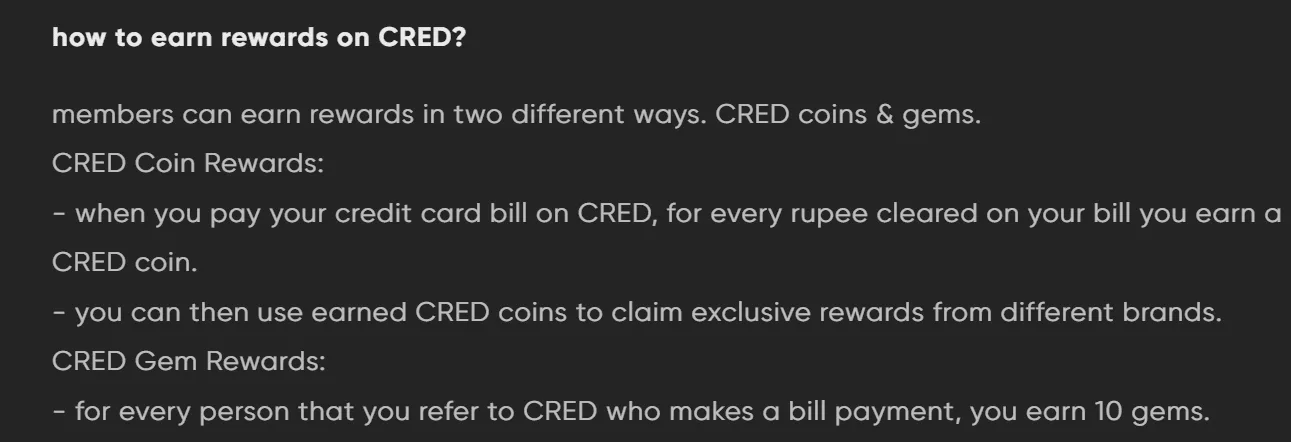
- Cred Coins on Referral (Cred): Cred (a fintech startup,) isn’t just rewarding referrals; it’s turning the game up a notch. With “Cred Coins,” they’ve gamified the process, making it a thrilling challenge for employees. It’s like turning referrals into a treasure hunt, where employees earn coins they can’t wait to spend. Cred gets that it’s not just about rewards; it’s about making work feel like an adventure.
- Goibibo Travel Credits: Goibibo is travel partners, knows how to speak the language of its employees – travel! By offering travel credits, they’re saying, “Hey, go on that dream vacation, and bring some awesome people into our team while you’re at it.” It’s a win-win that appeals to the wanderlust in everyone. Work hard, travel harder – that’s the Booking.com way.

- Netflix’s “Who Do You Know?” Campaign: Netflix keeps it personal. They get that your strongest connections are your secret weapons. So, they’re not just asking for referrals; they’re asking, “Who’s your ride-or-die in the industry?” It’s like bringing your trusted allies into a mission. Netflix knows that referrals aren’t just about skills; they’re about trust and collaboration.
- Accenture’s Referral Raffle: Accenture isn’t just running a referral program; they’re throwing a referral party! It’s like a lottery where you have a chance to win epic prizes while helping your buddies join the team. They’ve turned referrals into an exciting game of chance. Who wouldn’t want to roll the dice with a referral?

- Microsoft’s Charity Donation Matching: Microsoft isn’t just about software; it’s about making the world better. With donation matching, they’re saying, “Refer, and let’s change lives together.” It’s like turning referrals into acts of kindness. You’re not just bringing talent; you’re bringing hope. Microsoft knows that it’s not just about work; it’s about making an impact.
4 Benefits of Employee Referral Program
Finding and attracting top talents is hard. Traditional recruitment strategies are dead, modern employees outsmart traditional techniques. Employee referral program is a proven result-driven approach. Hence, here are 4 benefits of an employee referral program that retains employee, & promote a healthy work culture.
- You get wider talent pool net
ERPs use the connections of your current employees to find potential candidates. It’s like getting access to a bigger pool of talent, including those who aren’t actively looking for jobs but might be interested in a great opportunity, especially if it comes from someone they trust.
With ERPs, you’re not just looking for skills; you’re looking for the right fit. When an employee recommends someone, it’s a sign that they not only have the right skills but also match your company’s culture. These referred candidates are often top-notch and a perfect match for your team.
- More Trust, More Retention
It is highly observed that a troop of people who know each other or completed their education together working in same organization are more likely compatible. Candidates referred by current employees often align better with the company’s values and work culture. They’re like insiders who already know the lay of the land. This not only boosts job satisfaction but also substantially increases the likelihood of retaining them in the long run.
ERPs are a win-win; both for new hires and current employees. They not only help you find the right talent but also nurture trust within your existing team. When your employees actively participate in the hiring process, they become champions of your organization’s growth, leading to lower turnover rates and a happier, more engaged workforce.
- Speedy and cost-effective hiring
- Referred candidates often already know the hiring and onboarding drill, thanks to your current employees. This means you can access their profiles and contact details swiftly and bring them on board faster. Speedier hiring isn’t just about saving time and money; it’s also about creating a better experience for candidates.
Candidate Experience is a top HR metric. When you hire more swiftly, you also spend less. You require fewer human hours to fill a position, which boosts the efficiency of your hiring strategy. Additionally, if you’ve noticed that referrals tend to be top-notch employees, you can cut costs by reducing spending on other, less effective sources like job boards.
- Elevate Employer Brand Image
Referred employees become ambassadors for your brand. They share their positive experiences with friends and colleagues, creating a ripple effect of positive word-of-mouth marketing. An effective employee referral program sets you apart as an employer of choice. It signals to the market that your employees are so satisfied that they actively bring in others, bolstering your reputation as a desirable place to work.
How to measure employee referral program performance
Do not judge the program by the number of names submitted. Build a source comparison using the same cohort window and role group:
| Metric | Formula or definition | Why it matters |
|---|---|---|
| Participation rate | Employees making at least one referral ÷ eligible employees | Shows reach and ease of use |
| Qualified referral rate | Referrals meeting the agreed minimum criteria ÷ all referrals | Separates useful signal from volume |
| Referral pass-through | Candidates advancing from one stage to the next ÷ candidates at the current stage | Shows where the channel performs and where it does not |
| Referral hire rate | Referral hires ÷ referral applicants | Measures conversion, not popularity |
| Cost per referral hire | Referral programme cost ÷ referral hires | Includes incentives, platform cost, and administration |
| Early retention | Referred hires still employed at 90 days, 6 months, or 12 months | Tests whether the channel creates durable matches |
| Quality and fairness | Performance, satisfaction, and representation compared with similar non-referral cohorts | Prevents a fast channel from hiding bias or weak fit |
Review the metrics by role and cohort instead of making a blanket claim that referrals are always better. The Labour Economics research supports the value of referral information while also showing that the advantage can change over time. That is why the right comparison is not only “referral versus job board”, but “comparable role, cohort, assessment, and outcome”.
Recooty editorial view: referrals should widen trust, not narrow opportunity
Our view is that the best referral programme makes it easy for employees to share credible roles while making the selection process more disciplined, not less. Let employees introduce people they know, but keep the same structured assessment, publish clear eligibility rules, protect candidate privacy, and actively widen sourcing through employee resource groups and communities beyond existing networks. Recooty’s inclusive hiring guide and recruitment process guide can help connect the programme to a fairer hiring system.
Source: https://recooty.com/blog/employee-referral-program-complete-guide/
How do you build a fair employee referral program in 2026?
The best current guidance treats the program as a complete funnel. SHRM’s referral guidance highlights simple mobile sharing, clear communication, and privacy boundaries. A 2026 Labour Economics study found that referrals can reduce screening costs and improve early job stability, while noting that the information advantage diminishes over time. Research from the University of Chicago also shows why bigger bonuses are not automatically better: larger bonuses can increase referral quantity while reducing quality.
Use this operating framework when designing or auditing the program:
| Program part | What to decide | Quality and fairness check |
|---|---|---|
| Eligibility | Which employees can refer, for which roles, and when conflicts of interest must be disclosed | Apply the same rules across teams and exclude direct reporting conflicts where appropriate |
| Submission | Minimum information, mobile access, candidate consent, and whether the candidate must apply formally | Ask for useful context, not a long endorsement that recruiters cannot review |
| Communication | Confirmation, status updates, expected response time, and what the referrer may be told | Never reveal private candidate information or rejection reasons without permission |
| Assessment | How the referred candidate enters the ATS and the same scorecard used for other applicants | A referral is a lead and context signal, not a reason to waive requirements |
| Reward | Amount, timing, tax treatment, eligible outcomes, and alternatives such as charity donations | Reward quality and successful outcomes, not only volume or speed |
| Inclusion | Wider sourcing, ERG partnerships, accessible sharing, and representation review | Compare referral and non-referral funnels and investigate unexplained differences |
| Measurement | Participation, qualified rate, conversion, time, retention, quality, and cost | Review by role, level, location, manager, and cohort where privacy and sample size allow |
The program must protect the referred person as well as motivate the employee who made the introduction. That means setting consent, privacy, assessment, and communication rules before asking employees to share roles.
Apply the referral program consistently
Keep referrals easy to submit, explain what happens next, and apply the same job-related assessment to every candidate. Review quality, privacy, representation, and early retention together before changing the reward or workflow.
Jump To Section
Author's Profile

Hardik Vishwakarma


Hardik Vishwakarma – AI Recruitment Strategist | HR Automation Expert | Applicant Tracking Software Specialist Hardik Vishwakarma is a recognized leader in HR automation and...
View Full Profile →