
15 Must-Have Tool Categories for Remote Teams in 2026
Recooty

Remote teams work better with a small set of connected tools than with a long list of apps. Choose tools that make decisions searchable, keep tasks with a clear owner, support hiring across time zones, and protect sensitive information.
Start with the working rules, then choose the products that support them. A tool cannot decide which channel is urgent, where final decisions belong, or who owns a deadline.
Evaluate each product through the same criteria:
Gallup’s 2026 global data reports 30% engagement among exclusively remote employees and 25% among hybrid employees, compared with 20% globally. (Gallup) Tools support remote work, but remote-team management determines how people use them.

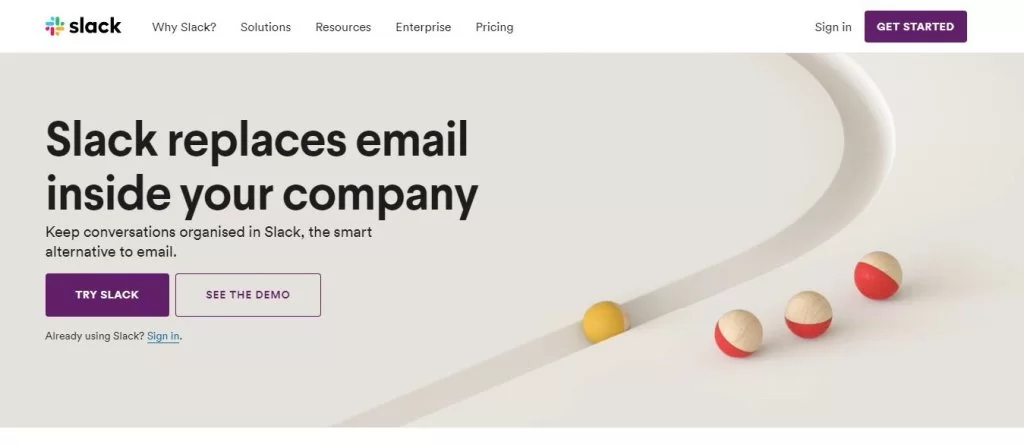
Chat platforms such as Slack and Microsoft Teams support quick coordination, channels, calls, and integrations. Define which messages belong in chat and which decisions must move into durable documentation.
Avoid expecting immediate replies to every message. Microsoft reported in 2026 that Microsoft 365 users averaged 275 interruptions during core work hours. (Microsoft Work Trend Index)
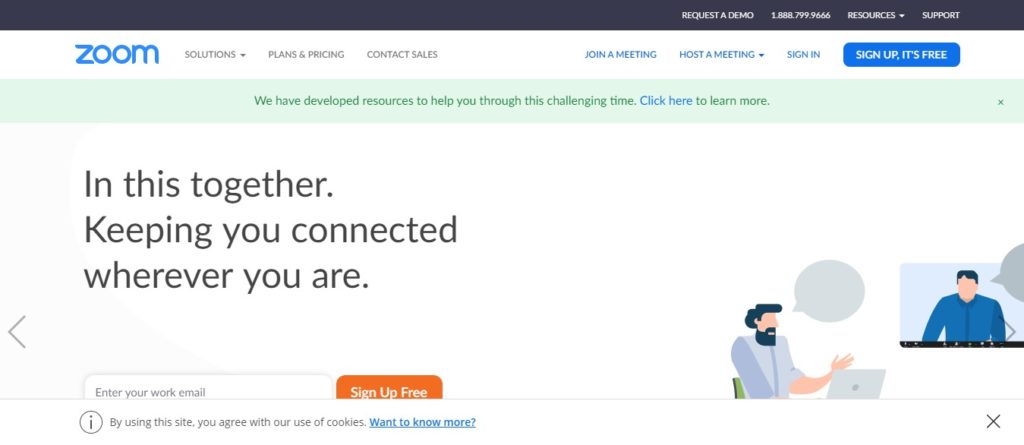
Zoom, Google Meet, and Microsoft Teams support live meetings across locations. Compare captioning, transcripts, dial-in access, breakout rooms, recording controls, moderation, and calendar integration.
Use Recooty’s guide to effective virtual meetings to decide when a meeting is necessary and what follow-up it needs.
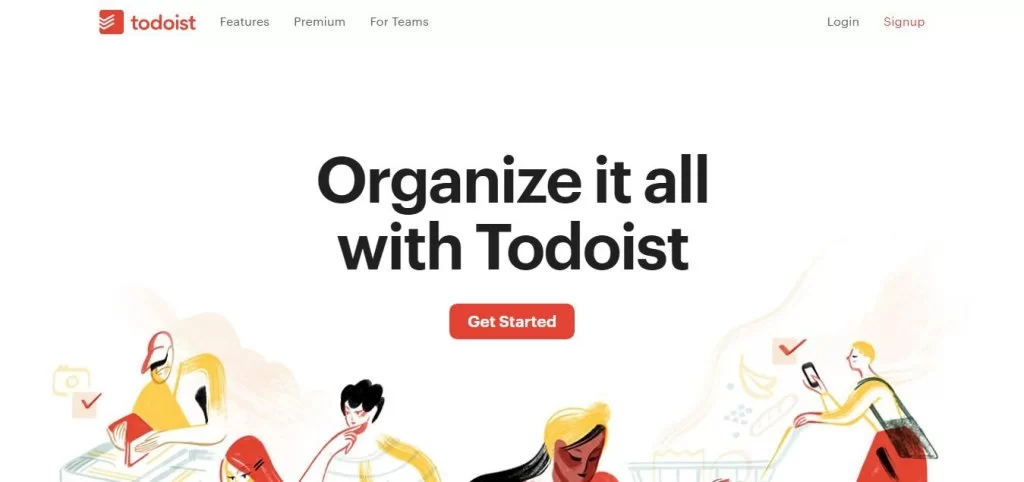
Asana, Trello, ClickUp, Basecamp, Jira, Todoist, ProofHub, and similar tools can record tasks, owners, dates, dependencies, and status. Select the product that matches the team’s work rather than the one with the longest feature list.
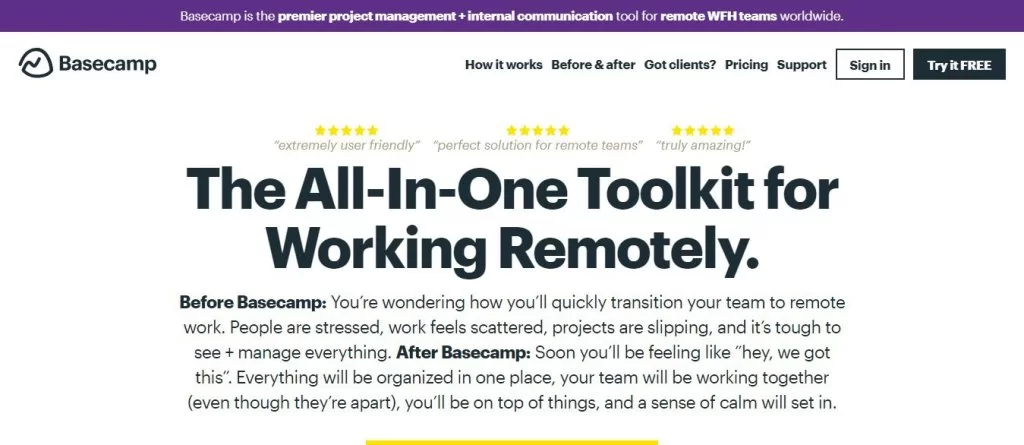

Every active task should have an owner and a clear completion condition. Duplicate boards and private trackers create conflicting status.

Google Workspace and Microsoft 365 support shared documents, spreadsheets, presentations, comments, and version history. Set file ownership, naming, permissions, and archival rules before content spreads across personal folders.
Collaborative documents are useful for remote-team goals because employees can see the outcome, evidence, owner, and deadline in one place.
Notion, Confluence, SharePoint, and similar knowledge systems can store policies, decisions, procedures, and onboarding material. Assign an owner and review date to important pages so outdated guidance does not remain authoritative.
Chat answers should move into the knowledge base when the same question appears repeatedly.
Google Drive, OneDrive, Dropbox, and Box can provide shared storage with permissions, version history, and recovery controls. Teams should use company-managed accounts, least-privilege access, and a documented offboarding process.
Classify sensitive files and restrict public links. Confirm data location and contractual requirements where relevant.
Password managers such as 1Password, Bitwarden, and approved enterprise alternatives reduce password reuse and support controlled credential sharing. Enable multi-factor authentication and remove access promptly when roles change.
Credentials should never be shared in chat, documents, or email.

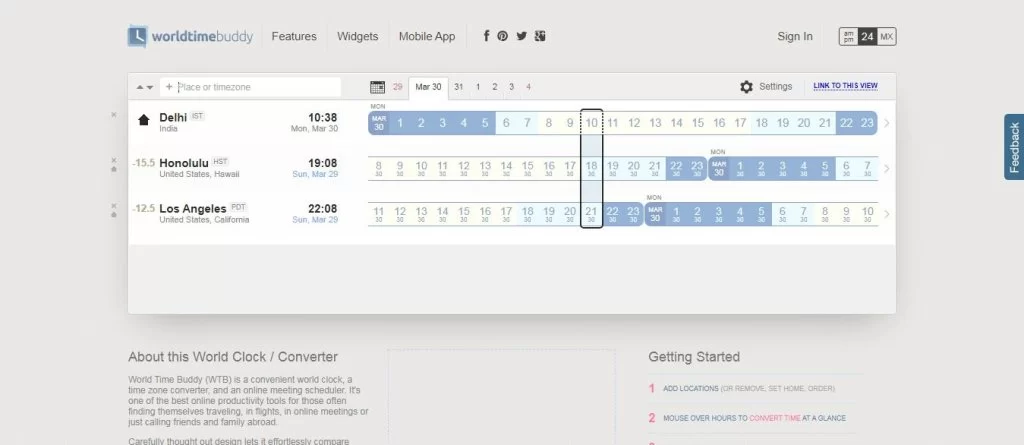
Calendly, Microsoft Bookings, Google Calendar appointment schedules, and World Time Buddy can reduce repeated coordination. Set approved windows, buffer time, and a manual option for people who cannot use the booking page.
Rotate recurring meeting times when one region would otherwise carry the inconvenience.
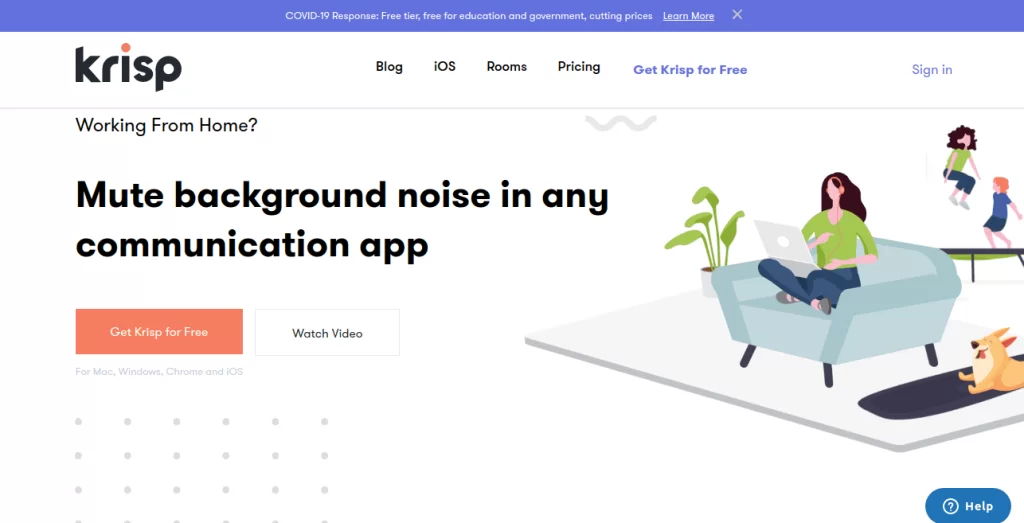
Noise-reduction tools such as Krisp can improve calls in difficult environments. Focus timers and notification controls can help employees protect uninterrupted work.
These tools do not replace realistic workload or quiet communication norms. Managers should solve recurring interruption at the team level.
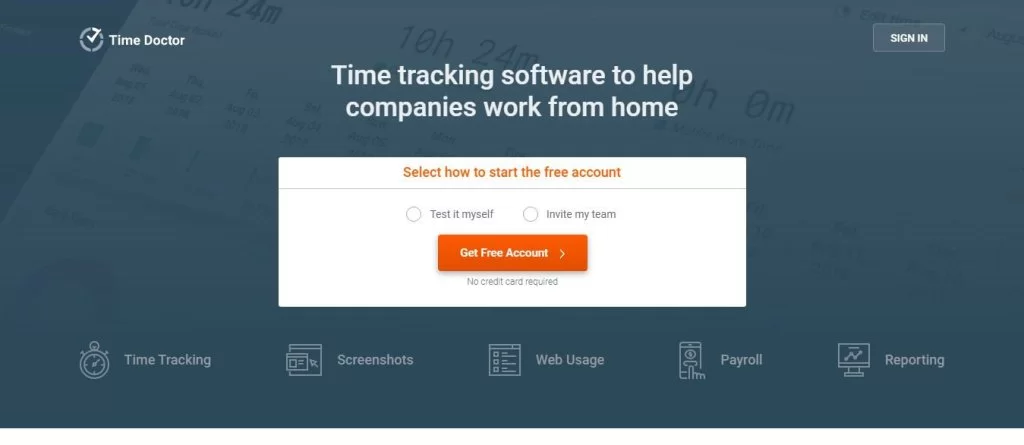
Time-tracking tools such as Time Doctor need a clear business purpose, proportionate settings, employee notice, and a privacy review. Measure outcomes where possible instead of using screenshots or activity counts as direct evidence of performance.
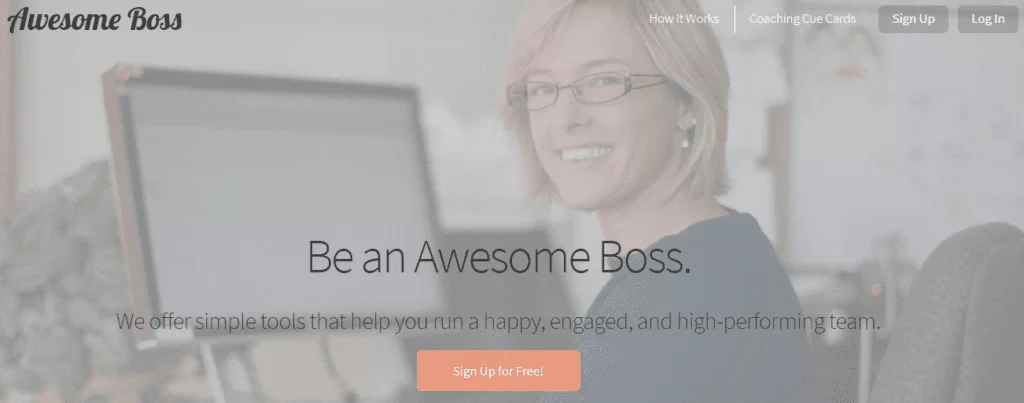
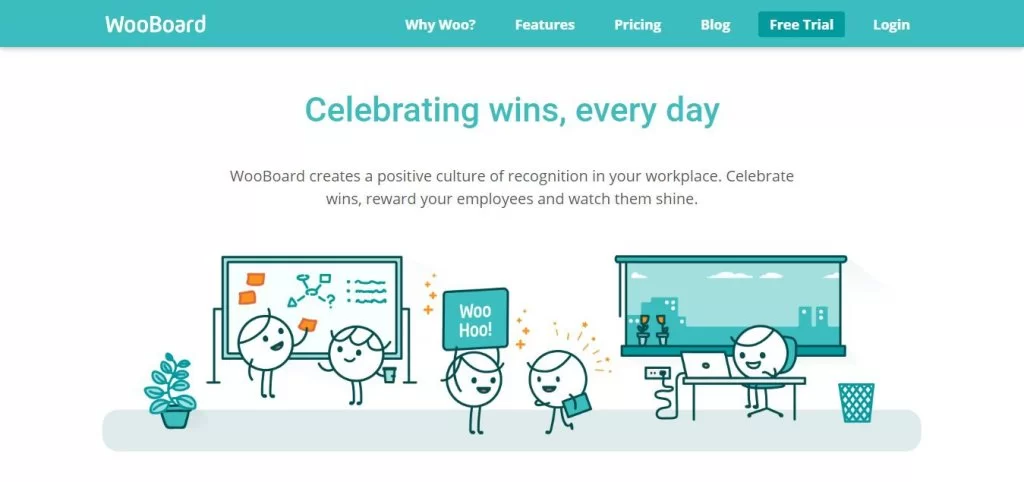
Recognition tools such as Awesome Boss and WooBoard can support celebrations across locations. Managers should keep recognition specific, equitable, and available to employees whose work is less publicly visible.
An applicant tracking system can support remote job distribution, candidate records, interview scheduling, scorecards, communication, and reporting. Teams should check accessibility, privacy, permissions, integrations, and human review for AI-assisted features.
Recooty’s guide to remote hiring explains how job posting, interviews, and talent pools fit into one process.
The best recruiting software for remote teams is the system that keeps hiring work visible across locations and time zones. It should connect job posting, candidate records, asynchronous communication, interview scheduling, structured scorecards, approvals, and reporting without forcing recruiters to copy updates between tools.
Before choosing, ask whether the product supports:
Keep the evaluation tied to the remote hiring workflow rather than ranking products by feature count. A product should make handoffs, scheduling, communication, and scorecards easier to manage across locations.
Virtual whiteboards help distributed teams sketch workflows, group ideas, map journeys, and review visual plans together. Choose a tool with keyboard access, readable exports, templates, comments, permissions, and an alternative format for people who cannot use a spatial canvas.
Assign someone to turn the final board into a clear document or project plan. A crowded canvas is useful during discussion but often poor as a permanent decision record.
Asynchronous video tools let people demonstrate a process, explain a draft, or share a short update without scheduling another meeting. Useful features include captions, transcripts, playback controls, access restrictions, comments, downloads, and retention settings.
Keep recordings short and link them to a written summary. Video should support colleagues across time zones, not create a second information source that no one can search.
Automation tools can move approved data between systems, create tasks, send notifications, and reduce repeated entry. Start with a stable, rules-based workflow whose owner can explain the trigger, action, exception, and expected result.
Monitor failures and permission changes after launch. An integration can spread an incorrect field or expose information when no one owns its upkeep.
Remote teams may need endpoint management, software updates, device encryption, multi-factor authentication, secure access, threat protection, and incident reporting. The exact stack depends on the data, devices, roles, and regulatory obligations involved.
Make the approved route easier to follow than an unsafe workaround. Employees also need support for lost devices, suspicious messages, travel, home networks, and offboarding.
People-operations tools can manage employee records, payroll, time off, benefits, onboarding, policies, performance conversations, and required documents across locations. Country coverage, data privacy, access controls, integrations, support, and local expertise should guide selection.
Avoid forcing an HR system to act as the daily collaboration hub. Keep authoritative employee records secure while sending only necessary actions or notifications into team tools.
AI can draft documents, summarize meetings, search knowledge, and suggest tasks. Teams should approve the use case, notify participants when appropriate, protect confidential data, verify outputs, and set retention controls.
An AI summary is a draft record. A human owner should confirm decisions, commitments, names, and deadlines before publication.
Remote-work tool lists often separate collaboration from hiring, but distributed recruitment needs both. PeoplePilot’s 2026 remote-first recruiting guide evaluates async workflows, global hiring, and time-zone-friendly interviews. Lever’s 2026 comparison adds candidate experience, compliance, and whether the workflow supports async collaboration. Broader collaboration reviews, such as SelectSoftwareReviews’ 2026 guide, emphasise integrations that connect communication to the work itself.
Test the handoff between a collaboration tool and the hiring system. A remote team should not have one version of a candidate’s status in the ATS, another in chat, and a third in a private spreadsheet.
| Remote hiring need | Evidence the stack should preserve | Practical test | Failure signal |
|---|---|---|---|
| Async coordination | Owner, next step, deadline, and decision record | Complete one hiring stage without a live meeting | Decisions stay inside an unsearchable chat thread |
| Time-zone fairness | Candidate and interviewer time zones, buffer rules, and manual booking option | Schedule a panel across three regions | One region always receives the inconvenient slot |
| Candidate visibility | Status, next-step date, communication history, and consent | Ask a different recruiter to continue the process | The new owner cannot understand what happened |
| Structured assessment | Shared rubric, independent scorecards, and debrief record | Run two candidates through the same interview plan | Interviewers improvise criteria or copy another score |
| Collaboration security | Least-privilege access, export, retention, and offboarding | Remove one participant and audit access | Former collaborators retain candidate data |
| Hiring analytics | Source, stage conversion, response time, and offer outcome | Compare a remote role with the team baseline | The report counts applications but not quality or delay |
Score every product from 0 to 2 on workflow fit, adoption, accessibility, security, integration, search, export, and measurable impact. Keep the scorecard with the tool inventory and review it quarterly. Remove or consolidate products when they duplicate a function, create a second source of truth, or require manual copying that does not improve the decision.
For hiring specifically, pilot one remote role for 14 days. Record recruiter time, time-zone scheduling changes, candidate response time, scorecard completion, stage aging, and manager participation. Compare the baseline with the assisted workflow before buying another tool. Recooty’s remote hiring guide and recruiting process guide can help define the workflow before the product demo.
Review one workflow at a time, remove the tools that duplicate it, and keep the rules people need to follow in a place everyone can find. A smaller stack is easier to secure, explain, and improve as the team changes.
Start with communication, video, project management, shared documents, searchable knowledge, secure file storage, password management, scheduling, and the systems required for hiring and people operations. Add specialist tools only when a workflow needs them.
Choose an all-in-one suite when a shared identity, permissions, search, and administration reduce friction. Choose separate tools when a specialist workflow is materially better and the integration, ownership, export, and security cost are understood.
Track candidate ownership, stage, next step, time zone, communication, scorecard completion, source, stage aging, candidate feedback, offer status, and handoff tasks. Keep sensitive information restricted to the people who need it.
Use clear written criteria, candidate self-scheduling, recorded or written updates where appropriate, shared scorecards, deadlines, reminders, and a durable decision record. Keep a live meeting option for accessibility, clarification, or high-context decisions.
Review the stack quarterly for ownership, duplicate functions, adoption, access, cost, integration failures, and policy changes. Run a deeper security and data review after a major product, workforce, or workflow change.
Most remote teams need communication, video, project management, shared documents, knowledge, secure files, password management, scheduling, and role-specific systems. Larger or more complex teams may also need whiteboarding, asynchronous video, automation, device management, hiring, and people-operations tools.
The stack is too large when products duplicate functions, split decisions, create unclear ownership, increase security risk, or demand repeated data entry.
The best tool fits the team’s size, workflows, accessibility needs, security requirements, integrations, and budget. Clear communication rules matter more than brand choice.
AI meeting notes require an approved provider, participant notice where appropriate, access controls, retention settings, and human verification before decisions are shared.
Use a company-approved password manager, unique passwords, multi-factor authentication, role-based access, and prompt offboarding.
Review the stack at least annually and after a security incident, major workflow change, acquisition, or material product-policy change.
List each tool’s purpose, owner, data handled, users, cost, integrations, and overlapping functions. Keep the product that supports the clearest workflow with the least duplicate entry and security risk. Set a review date and remove unused access after the decision.
Source: https://recooty.com/blog/a-complete-list-of-must-have-tools-for-remote-teams/
Recooty is one of the fastest-growing Applicant Tracking Systems, helping businesses of all sizes streamline their hiring process. Through its content, Recooty shares expert insights...
View Full Profile →